Malindi has always had pull. The beach, the Old Town, the year-round warm weather. But in 2026, something has shifted. Buyers who were watching from the sidelines — Kenyans in the UK, professionals in Nairobi, retirees planning ahead — are now acting.
This article explains why, with honest context about what to look for, what to avoid, and how Furaha Gardens fits into the picture.
Why Malindi Is Getting More Attention Right Now
1. The Malindi–Lamu Highway Corridor
The single most discussed infrastructure story on Kenya's northern coast is the planned dualling of the Malindi–Lamu highway. The corridor — part of the broader LAPSSET (Lamu Port–South Sudan–Ethiopia Transport) infrastructure programme — is already seeing active upgrading work, with the Lamu link reported at approximately 70% completion as of early 2026.
What does that mean for land? Roads compress distance. A journey that feels remote today becomes routine once the corridor is upgraded. Historically, in Kenya's growth towns — Thika, Kitengela, Athi River — land that sat quietly 10 to 15 years before a major road upgrade was where long-term wealth was made.
The Malindi–Lamu corridor is not yet fully dual-carriageway and no specific junction or completion date should be taken as guaranteed. But the direction of investment is clear, and the land along the corridor is repricing ahead of the work finishing.
2. Tourism Is Recovering — and Diversifying
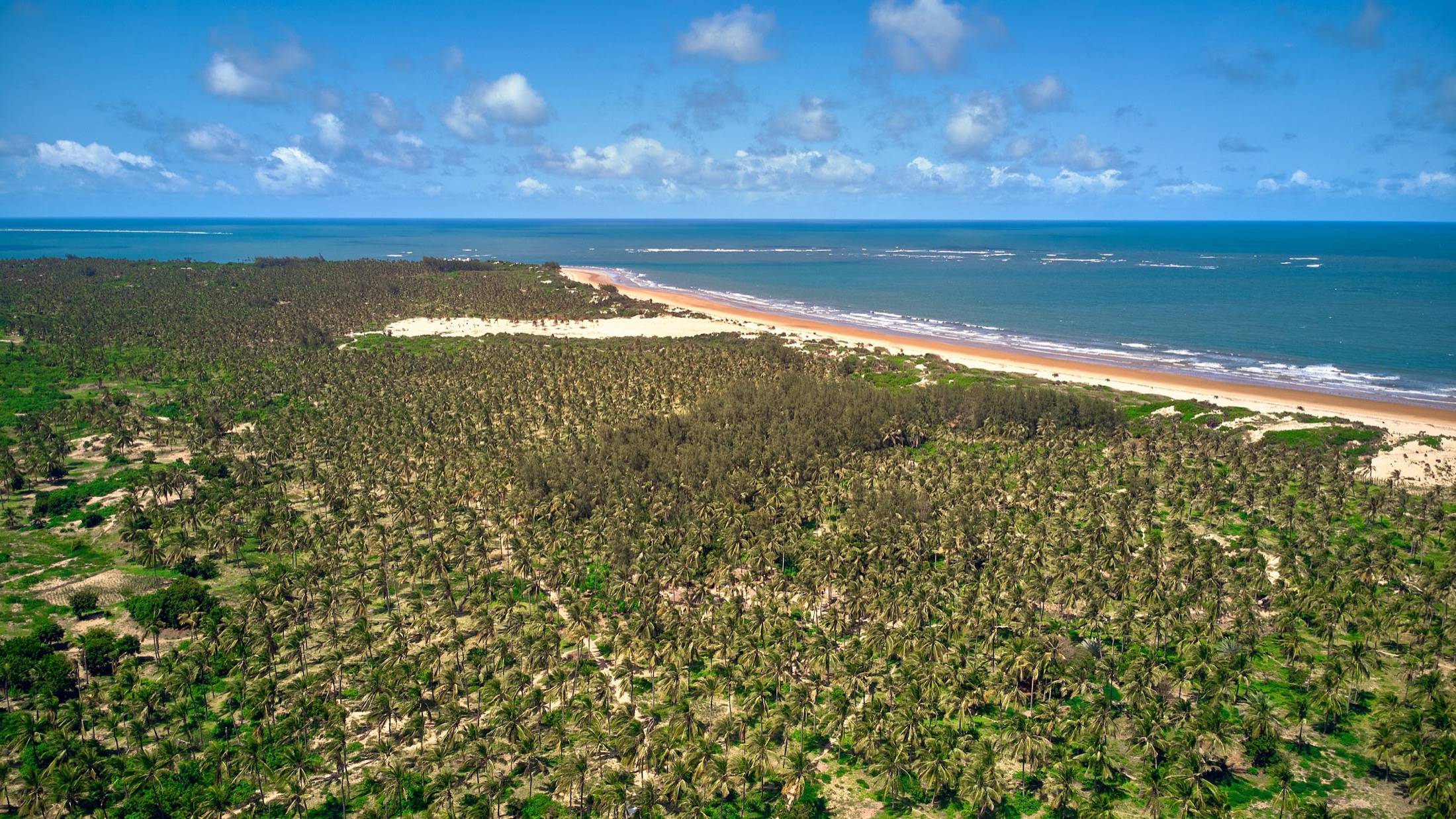
Malindi has historically attracted Italian and European visitors. That market is recovering, but the more interesting story in 2026 is domestic and regional tourism growth. Mambrui — just a short drive north of Malindi town — has earned the nickname "Dubai Ndogo" for its striking sand dunes. Visitor numbers at Mambrui and nearby Che Shale Beach have grown sharply over the past two to three years, with some operators citing 30–60% increases in footfall.
This matters for land buyers because tourism infrastructure follows visitor numbers. New accommodation, hospitality businesses, and services create employment and population inflow. Both support land values.
3. Diaspora Demand Is at Record Levels
Kenya's diaspora remittances reached US $5.04 billion in 2025 and are projected to grow further in 2026. A significant share of that money flows into land. Diaspora buyers are particularly active at the coast — Malindi and Kilifi County sit at the top of their wish lists for a straightforward reason: the lifestyle appeal makes the purchase feel purposeful, not just financial.
More than 90% of diaspora land buyers in Kenya are understood to pay in cash or close-to-cash terms. That makes them a stabilising force in the market — they don't disappear when credit tightens.
What Land Actually Costs in Malindi in 2026
Prices in the Malindi area range widely. Here is a realistic picture, drawn from active listings in 2025–2026:
| Location / Type | Approx. Price (1/8 acre) |
|---|---|
| Malindi town / airport proximity | KES 595,000 – 950,000 |
| Near beach (serviced) | KES 950,000 – 1.1 million |
| Established serviced projects (Gede, Chumani) | KES 500,000 – 595,000 |
| Growth corridor / serviced (e.g. Inuka Mida Park View) | KES 350,000 |
| Bare/unserviced inland plots | KES 99,000 – 150,000 |
These are asking prices from property portals and developer listings, not verified sold data. Treat them as orientation, not appraisal.
The meaningful divide is between bare plots (no water, electricity, roads, or title clarity) and serviced, titled plots. A KES 100,000 plot with no title deed and no utilities is not cheaper than a KES 250,000 plot with a clearly stated title position, an all-weather access road, and mains water and power at the junction — it is simply riskier and potentially more expensive once you add what is missing.
Interested in a Furaha Gardens plot?
Request the full lot info pack — plat map, title documentation, site photos, and payment terms. Or WhatsApp the team directly.
What Makes a Growth Corridor Different from Ordinary Rural Land
Not all land appreciates. The plots that have historically delivered capital growth share common characteristics:
- Proximity to improving infrastructure — a road being built, not a road already built
- Proximity to an economic anchor — a town, a port, an airport, a tourism hub
- Title clarity — clean, individual title deeds that can actually be transferred
- Utilities on the ground — water and electricity access that enable building
- A credible developer — someone who has done what they say the land has done
The corridor between Malindi town and Mambrui — roughly the Gongoni axis — ticks all of these boxes. It sits inside the LAPSSET corridor influence zone, is a short drive from both Malindi town and Che Shale Beach, and is seeing genuine development activity.
Honest Risks to Factor In
This is where most developer content goes quiet. We won't do that.
Infrastructure timelines are uncertain. Highway dualling takes time and government budgets are unpredictable. Do not buy land in this corridor assuming the road will be completed by a specific date.
Land appreciation is not guaranteed. Historical patterns in growth corridors are a reasonable guide, but Kenya's property market is illiquid and local conditions vary. Buy with a realistic time horizon — three to seven years minimum — rather than expecting short-term flips.
Remote purchases carry due diligence risk. Fraudulent plots and duplicate titles exist in this market. Verify the seller, verify the title at the lands registry, and don't pay without receiving a properly executed sale agreement. (See our full guide: Buying Land in Kenya from the Diaspora: A Complete Guide.)
Transfer and legal costs are separate. Budget an additional KES 25,000–55,000 above the plot price for title transfer and legal fees, regardless of which project you buy from.
How Furaha Gardens Fits
Furaha Gardens is PIMC Global's development in Gongoni — 1 km from the Malindi–Lamu highway at Fundi Isa Junction, 25 minutes from Malindi town, 30 minutes from Malindi Airport, and 10 minutes from Che Shale Beach.
Plots are 1/8 acre (50 x 100 ft), priced at KES 250,000 cash (or KES 280,000 on a 6–12 month installment plan). Each plot comes with water, electricity, and graded access roads already in place. Title deeds are individual and ready — meaning your name goes on the title at transfer, not some future date.
Pricing sits below comparable serviced, titled plots in the Malindi corridor — which makes this an early-entry opportunity in an area where values are moving.
If you book with a KES 50,000 reservation, PIMC will arrange a free return Jambojet flight from JKIA to Malindi Airport for your site visit. The reservation requires 10 days' advance notice for the flight to be arranged.
"Ready to learn more? Request the Furaha Gardens lot info pack — full plat map, title status, site photos, and payment terms — at pimc.co.ke or WhatsApp us on 0709 180 656."
Frequently Asked Questions
Is it safe to buy land in Malindi as an outsider or diaspora buyer?
Yes, if you do the right checks. Verify the seller's company registration, confirm the title number at the Kilifi County Lands Office, use a licensed conveyancing lawyer, and pay via traceable means (M-Pesa paybill or bank transfer). A reputable developer will welcome — and facilitate — every one of these steps.
Will the Malindi–Lamu highway dualling definitely increase land values?
No developer or agent can guarantee that. What is historically true is that road infrastructure improvements tend to increase land accessibility and desirability in areas that were previously perceived as distant. The corridor is already attracting investment and development activity — that is the observable signal.
What is the minimum I need to start buying a plot at Furaha Gardens?
KES 50,000 reserves your plot. From there, you can pay the full KES 250,000 cash price, or choose a 50% deposit with the balance within 3 months, or pay KES 280,000 spread over 6–12 months. Transfer and legal fees of approximately KES 25,000–55,000 are payable separately.
Do I need to visit the site before buying?
A site visit is always recommended, and PIMC makes it practical: book with KES 50,000 and receive a free return Jambojet flight from Nairobi to Malindi (requires 10 days' advance booking). If a visit genuinely isn't possible, PIMC can provide drone footage, a detailed site map, and direct video/WhatsApp calls with the on-site team.
What is the difference between a "ready title deed" and a "mother title"?
A ready title deed means the individual plot has already been surveyed, subdivided, and issued its own title number. Your name is transferred onto that specific title. A mother title means the developer still holds one large title over the whole parcel and will subdivide later — that future subdivision carries processing risk and delays. At Furaha Gardens, PIMC currently holds the registered mother title and individual plot titles are issued on subdivision — we state in writing exactly where the title stands before you pay, rather than calling a title ready when it is in process.
Also read: Land Banking on Kenya's Coast: How Plots Appreciate · Plots Near Che Shale & Mambrui: The Gongoni Story · Buying Land in Kenya from the Diaspora: A Complete Guide