
Buying land in Kenya while you are living in the UK, US, Gulf, or elsewhere is entirely achievable. Thousands of Kenyans in the diaspora do it every year. The ones who do it well — who end up holding a clean title deed with their name on it — are the ones who understood the process before they transferred a single shilling.
This guide gives you that process. Step by step. Plain and direct.
Step 1: Get Clear on What You Want and What You Can Afford
Before you start speaking to any developer or agent, answer three questions for yourself:
What is the purpose? Are you building a home to retire to? Holding the land as an investment? Building something to rent? Your purpose determines the right location, plot size, and time horizon.
What is your budget — in full? The plot price is not the total cost. In Kenya, buying land always involves additional fees:
- Stamp duty: 2% of the plot value (paid to the government at transfer)
- Legal / conveyancing fees: paid to the lawyer handling the transfer
- Transfer fees at the lands registry
At Furaha Gardens, for example, the combined transfer and legal fees come to approximately KES 25,000–55,000 above the plot price, depending on who handles the transfer. Add this to whatever plot price you are budgeting for, so you are not surprised at completion.
What is your realistic timeline? If you need the land ready to build within a year, you want a plot that is already serviced and has an individual title deed — not one where the developer is still processing the survey.
Step 2: Research the Developer Before Anything Else
The single most important thing a diaspora buyer can do is verify the developer before engaging. This is where most fraudulent land transactions are caught — or not caught.
Check the company registration. Kenya's Business Registration Service (BRS) at brs.go.ke allows you to search any registered company by name or registration number. A legitimate land developer will be a registered limited company. Ask for the registration number upfront.
PIMC Global Consult Ltd is a registered Kenyan company; we share our registration details on request so you can verify us directly.
Find their physical office. A credible developer has a real office address, not just a WhatsApp number. PIMC's office is at Baobab House, 2nd Floor, Waiyaki Way (next to Safaricom HQ), Westlands, Nairobi.
Look for a track record. Ask how many projects they have completed. Ask for title deeds issued on previous projects. Past clients who can be contacted directly are a stronger signal than testimonials on a website.
Check their online presence. A legitimate developer with real projects has consistent social media activity, Google reviews, and a functioning website. Inconsistency or very recent creation of all profiles is a warning sign.
Verify PIMC Global before you commit
We encourage every buyer to verify us at the BRS registry — we will share our registration details on request — and to request our full title documentation before paying anything. Request the info pack first.
Step 3: Verify the Title Deed
Do not pay for land until you have verified the title. This is non-negotiable.
Request the title deed number. Any legitimate developer with individual ready title deeds will give you the specific title number for the plot you are being sold.
Verify at the Lands Registry. The Kilifi County Lands Registry (for coast land) can confirm whether a title is genuine, whether it is free of encumbrances (charges, cautions, or caveats), and whether the person selling it is the registered owner. If you are not in Kenya, a Kenyan lawyer you appoint can do this search on your behalf.
Understand the difference between title types:
- Individual ready title deed: The plot has been surveyed, subdivided, and issued its own title number. Your name is transferred to that title at purchase. This is what you want.
- Mother title (undivided): The developer holds one large title over the whole parcel and will subdivide it after purchase. This is riskier — the subdivision process takes time and can encounter delays or complications.
Ask clearly: "Is this an individual title deed already issued for this specific plot number, or a share of a mother title?" A developer who cannot answer that clearly is a developer to avoid.
Step 4: Appoint a Kenyan Lawyer
You need a licensed conveyancing lawyer based in Kenya. This is not optional and it is not expensive relative to the protection it provides.
Your lawyer will:
- Conduct the official lands registry search
- Review the sale agreement before you sign
- Confirm that the seller has legal capacity to sell
- Handle the stamp duty and registration of transfer
- Hold funds in escrow (if you choose) until title transfer is complete
- Ensure your name ends up on the title deed correctly
The Law Society of Kenya (lsk.or.ke) maintains a directory of licensed advocates. You can also ask the developer for their preferred conveyancing lawyer — but remember that lawyer works for the developer, not you. Ideally, appoint your own independently.
Step 5: Grant a Power of Attorney (If You Cannot Be in Kenya)
If you cannot travel to Kenya to sign documents in person, you need a Power of Attorney (POA) — a legal document authorising a trusted person in Kenya to act on your behalf.
What the POA covers: The document can authorise your representative to sign the sale agreement, oversee payment, and handle the title transfer on your behalf.
How to execute it from abroad: You sign the POA in front of a Notary Public in your country of residence. It then needs to be apostilled (authenticated for international use) — the process varies by country but typically takes a few days and a modest fee. Your Kenyan lawyer will tell you exactly what wording and format is required.
Choose your representative carefully. This should be someone with genuine trustworthiness and ideally some familiarity with property transactions — a family member, a trusted friend, or a professional. The POA is a document of significant legal authority. Do not grant it casually.
Step 6: Do a Site Visit (Even Once)
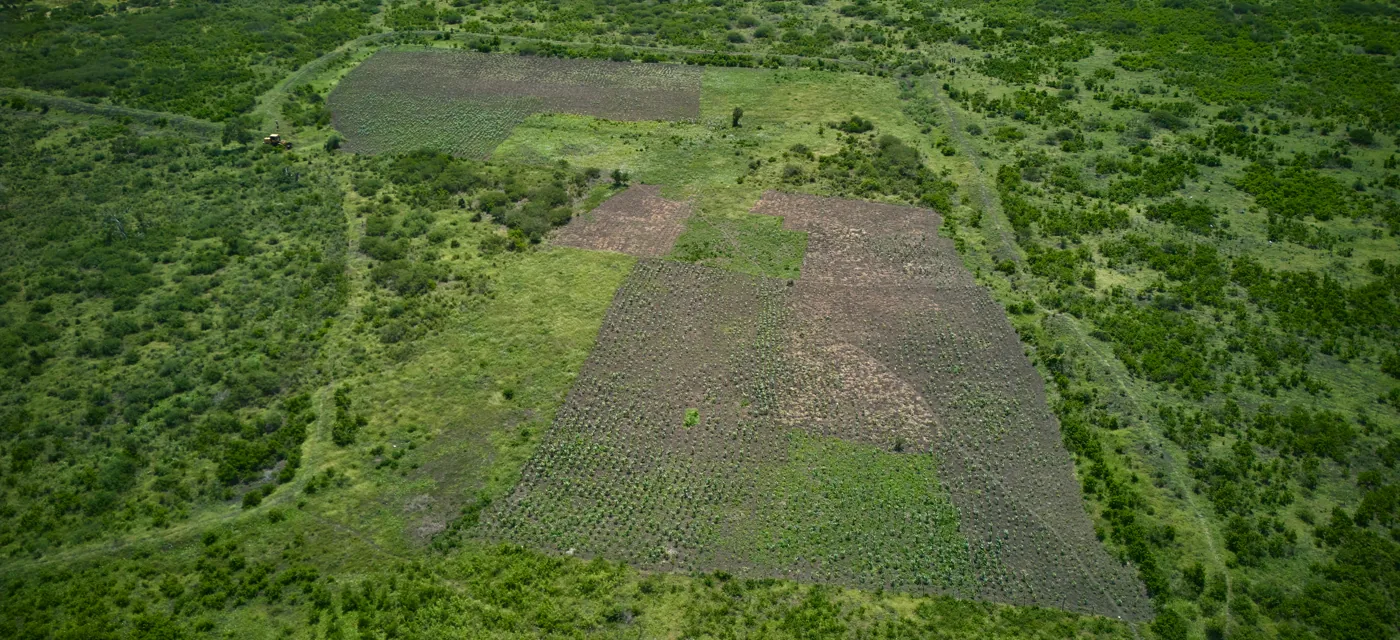
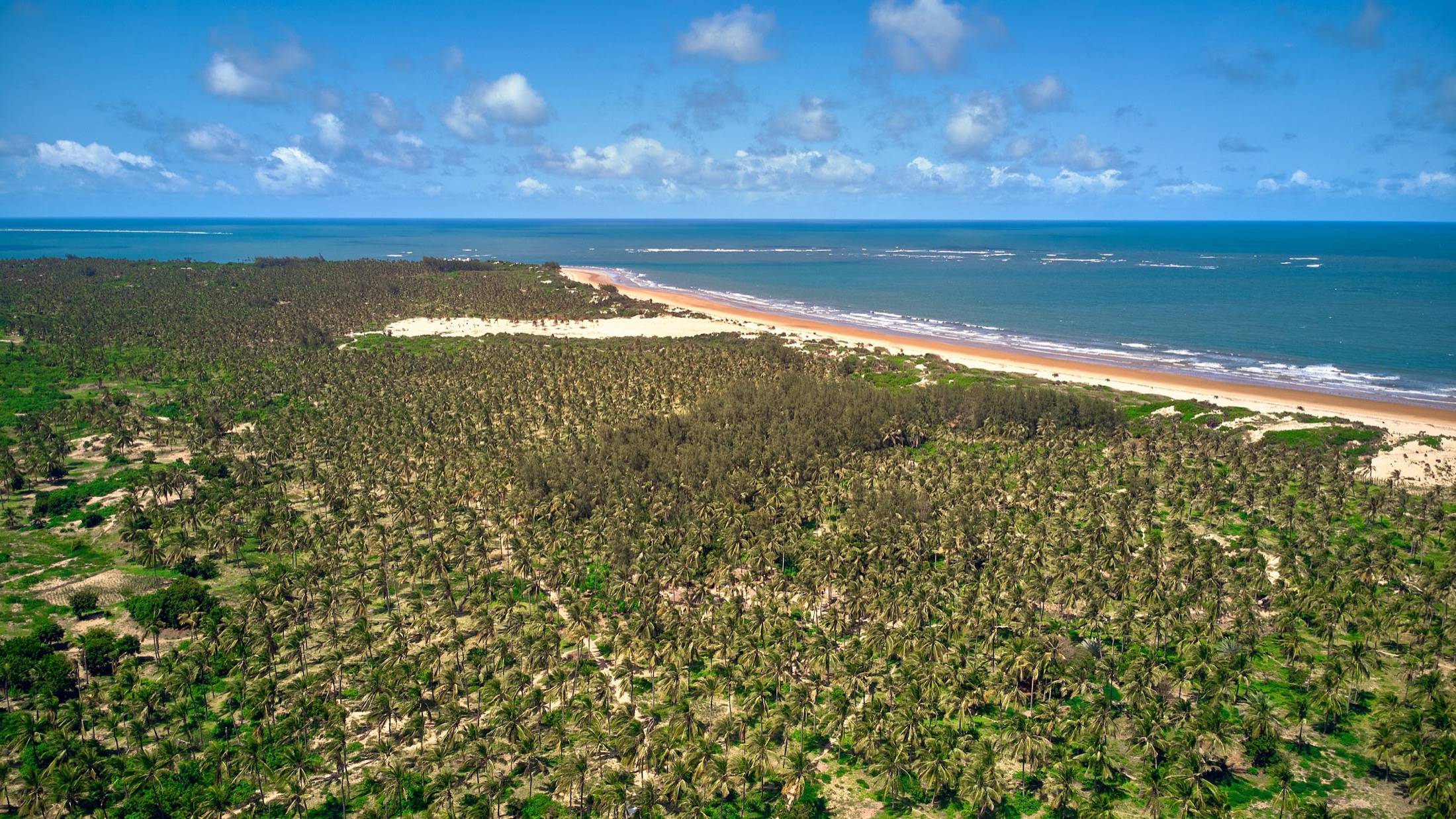
Reading a brochure and watching a drone video are useful. Standing on the land is different. You understand the terrain, the access, the neighbours, the surrounding activity. You notice things no marketing material will tell you.
PIMC makes this practical for diaspora buyers:
Reserve any Furaha Gardens plot with KES 50,000 and receive a free return Jambojet flight from JKIA to Malindi Airport. The flight is arranged by PIMC with 10 days' advance notice. You fly into Malindi, visit the site in Gongoni, and fly back.
If a visit truly is not possible in your current circumstances, PIMC can provide drone footage, live video calls from the site, and a detailed site map. But make the visit your goal — it resolves most doubts quickly and permanently.
Step 7: Pay Safely
Never pay cash. Never send money via informal transfer systems. Every payment should be traceable.
Accepted safe methods for Kenya land purchases:
- M-Pesa paybill or till number (get the official paybill number from the developer's official website or verified communications, not a screenshot sent to you)
- Bank transfer to the developer's company account (verify the account name matches the company you have verified)
Request a receipt for every payment. A legitimate developer will provide one automatically.
Partial payment / reservation: At Furaha Gardens, KES 50,000 reserves your plot. This is a genuine reservation — not a "holding fee" that disappears. It is credited toward your total purchase price.
Do not pay full funds before the sale agreement is signed. The signed sale agreement is your legal protection. Payment should happen according to the schedule set out in that agreement, not in response to informal pressure.
Step 8: Understand the Full Cost
To summarise what you are actually paying for Furaha Gardens as a diaspora buyer:
| Item | Amount |
|---|---|
| Plot price (cash) | KES 250,000 |
| Plot price (6–12 month installments) | KES 280,000 |
| Transfer + legal fees (approx.) | KES 25,000 – 55,000 |
| Site visit flight (with KES 50,000 reservation) | Free (PIMC-arranged Jambojet) |
| Your own independent lawyer (optional but recommended) | Varies — ask for a quote |
The plot price is not all-inclusive. The transfer and legal fees are real and always additional. Budget for them from the start.
Red Flags: Walk Away Immediately If You See These
- No verifiable company registration — or a registration that doesn't match the name you were given
- Title deed that is "in process" or "coming soon" — you want an already-issued individual title deed, not a future one
- Pressure to pay before you have signed a sale agreement — legitimate developers don't need your money before the paperwork is in order
- A plot price that is dramatically below every comparable — KES 99,000 for a "serviced" titled plot in Malindi is not a deal; it is a red flag
- No physical office or physical presence — WhatsApp only, no registered address
- Agent who cannot or will not answer the title deed number question
- Requests for payment to an individual's personal account — always pay to a company account
Why Diaspora Buyers Choose Furaha Gardens
Furaha Gardens was designed with the practical concerns of diaspora buyers in mind:
- Title status stated in writing — PIMC holds the registered mother title; your individual plot title is issued on subdivision, then transferred into your name
- Transparent, fixed pricing — KES 250,000 cash or KES 280,000 on installments. Transfer and legal fees stated upfront at KES 25,000–55,000. No hidden costs.
- Traceable payment via M-Pesa paybill or bank transfer, with receipts issued
- PIMC Global Consult Ltd — a registered Kenyan company (registration available on request) with a Westlands, Nairobi office, backed by Royal Media Services
- Free site visit flight — remove the distance barrier before committing fully
To request the full lot info pack — title documentation, plat map, site photos, payment terms — visit pimc.co.ke or WhatsApp 0709 180 656. The team can communicate via WhatsApp, email, or video call, in whichever format works for your timezone.
Frequently Asked Questions
Can I buy land in Kenya without being a Kenyan citizen?
Yes, with some limitations. Foreign nationals can own land in Kenya under a 99-year leasehold title rather than freehold. Kenyan citizens hold freehold title. If you hold Kenyan citizenship (including dual citizenship), you are entitled to freehold ownership. Confirm your citizenship status and land tenure type with your conveyancing lawyer.
What happens if I die before the title is fully transferred?
The sale agreement is a binding contract. Your estate would be entitled to complete the purchase. Your estate plan — whether a will or a trust — should account for the land purchase if you are mid-transaction. Speak to your lawyer about this specifically.
How long does the title transfer process take in Kenya?
At the Kilifi Lands Registry, title transfers currently take approximately 30–90 days once all documents and fees are submitted. Your lawyer manages this process. PIMC can provide guidance on expected timelines at the point of sale.
I have been contacted by someone claiming to represent PIMC. How do I verify?
Contact PIMC directly through official channels: the website pimc.co.ke, official WhatsApp 0709 180 656, or email hello@pimcglobal.co.ke. Do not act on a contact that you did not initiate through those channels without verifying directly. This is good practice with any land developer.
Can I get a mortgage or financing from a Kenyan bank for land?
Land-only purchases are difficult to mortgage in Kenya — most banks prefer to lend on the construction. However, PIMC's installment plan (KES 280,000 over 6–12 months) is designed as an accessible financing option that doesn't require bank involvement. It requires no credit check or formal lender, just a commitment to the payment schedule.
Also read: Is Malindi a Good Place to Buy Land in 2026? · Land Banking on Kenya's Coast: How Plots Appreciate · Plots Near Che Shale & Mambrui: The Gongoni Story